Tracing Cryptocurrency Shifts in Regulated Sports Wagering Platforms and Transaction Patterns
Uma Russell · Oct 3, 2026
Tracing Cryptocurrency Shifts in Regulated Sports Wagering Platforms and Transaction Patterns
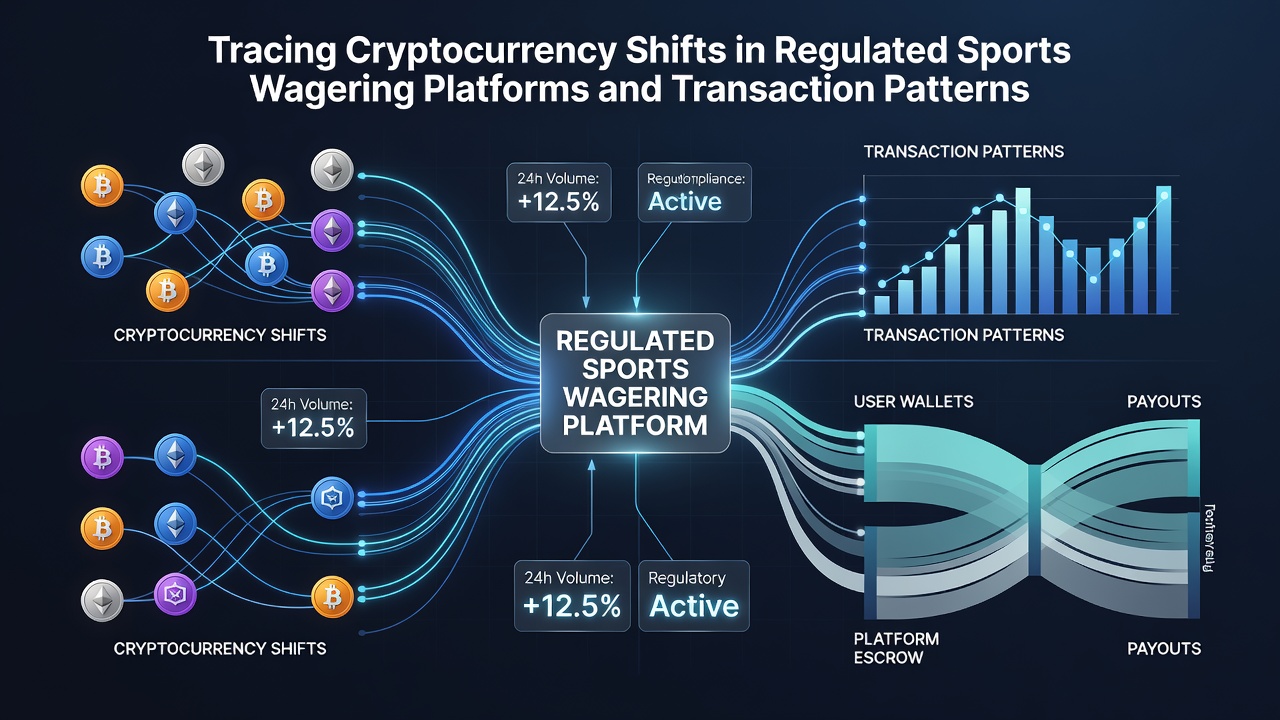
Regulated sports wagering platforms have integrated cryptocurrency options at an accelerating pace since the early 2020s, and observers track these changes through on-chain data and platform reports that reveal distinct transaction patterns. Platforms in multiple jurisdictions now accept assets like Bitcoin, Ethereum, and stablecoins, which alters deposit speeds, withdrawal timelines, and fee structures compared to traditional banking rails. Data compiled by industry analysts shows that crypto volumes on licensed operators grew steadily through 2025, with further acceleration noted in October 2026 as several North American and European states updated their payment guidelines.
Regulatory Developments Shaping Crypto Integration
Authorities in different regions impose varying requirements on crypto handling within sports betting operations, and these rules directly influence how platforms structure their transaction systems. The Nevada Gaming Control Board, for instance, requires operators to maintain detailed records of digital asset transfers that link to customer accounts, while iGaming Ontario enforces similar transparency standards for licensed sportsbooks serving Canadian users. Such frameworks encourage platforms to partner with licensed custodians and implement automated compliance checks that flag unusual wallet activity before bets settle.
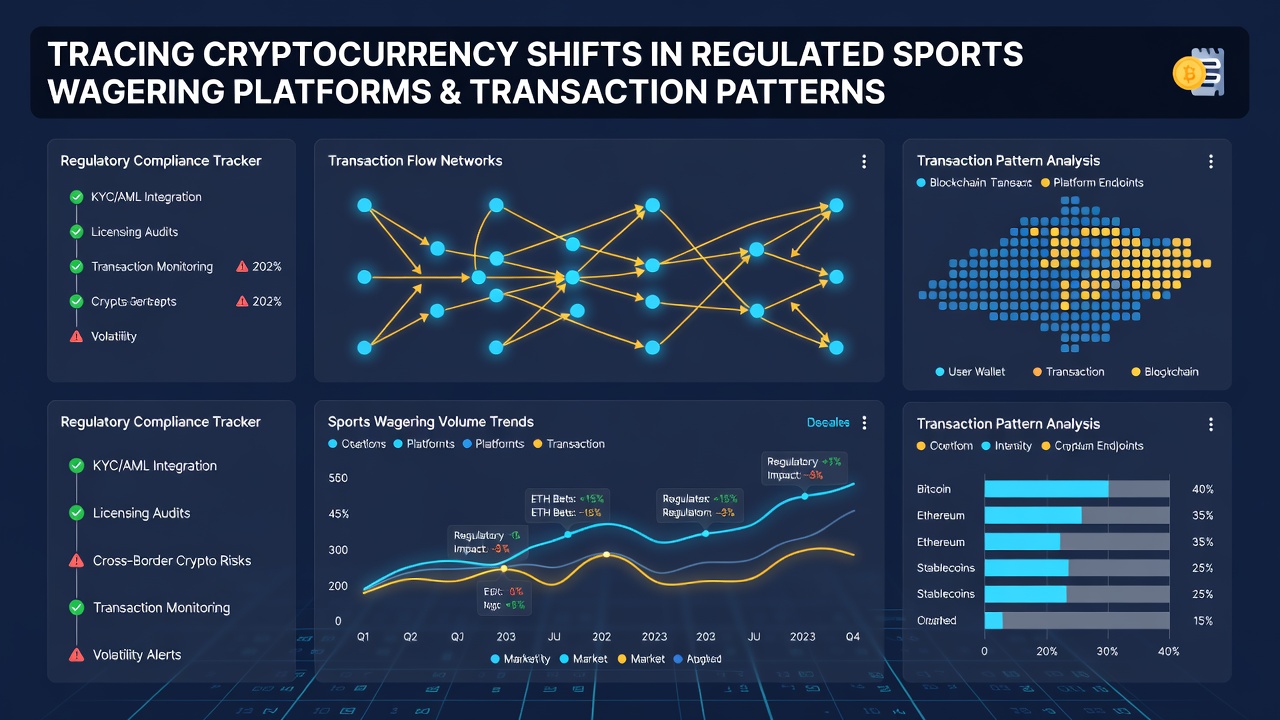
Transaction monitoring tools have become standard because regulators demand audit trails that connect on-chain movements to verified identities, and platforms respond by embedding these tools into their back-end systems. In October 2026 several operators reported that stablecoin settlements reduced processing times from days to minutes, yet they still route all activity through centralized ledgers that satisfy reporting obligations to tax authorities and gaming commissions.
Observed Shifts in Deposit and Withdrawal Patterns
Analysis of publicly available blockchain data combined with operator disclosures reveals that crypto deposits now account for a larger share of total inflows on regulated platforms than they did two years earlier. Users frequently choose stablecoins for their price stability during the betting window, while occasional large Bitcoin transfers appear linked to high-stakes wagers that clear within a single block confirmation cycle. Withdrawal patterns show a preference for smaller, more frequent payouts in digital assets, which spreads activity across multiple addresses and reduces the visibility of any single transaction cluster.
Platforms report that the average crypto deposit size exceeds the average card deposit, yet the median transaction remains modest because recreational bettors test the system with smaller amounts before scaling up. Researchers at academic centers studying digital payments note that these patterns align with broader consumer behavior in other regulated financial sectors where speed and perceived privacy drive initial adoption.
Security Measures and Compliance Tools
Operators deploy multi-signature wallets, cold storage reserves, and real-time risk scoring to protect customer funds and satisfy licensing conditions, and these measures appear in platform security audits published at regular intervals. Chain analysis firms supply software that maps wallet clusters associated with sanctioned addresses, allowing platforms to block transfers before they reach the betting engine. In October 2026 updates to these screening lists prompted several operators to adjust their whitelists and re-verify a subset of existing accounts.
Training programs for compliance teams now include modules on recognizing mixing service signatures and rapid address rotation, because regulators expect staff to understand emerging obfuscation techniques even when the platform itself does not support them. These educational efforts reduce false positives in automated alerts and keep approval rates for legitimate withdrawals high.
Regional Variations in Adoption Rates
European markets with long-standing online gambling licenses show higher crypto penetration than some U.S. states that only recently authorized mobile sports betting, and the difference traces back to established payment infrastructure and clearer tax treatment of digital assets. Australian operators licensed by state authorities have incorporated crypto more selectively, often limiting support to Bitcoin and a few major altcoins while maintaining strict source-of-funds checks. Data aggregated by the European Gaming and Betting Association indicates that the proportion of crypto-based wagers varies by sport and event type, with higher usage during international tournaments that attract global audiences already comfortable with digital wallets.
Cross-border bettors sometimes move funds between platforms in different jurisdictions, and transaction graphs reveal recurring pathways that connect European and North American operators through intermediate stablecoin exchanges. Regulators in both regions monitor these flows for signs of unlicensed activity, yet the licensed portion remains dominant because verification requirements filter out most suspicious transfers early in the process.
Conclusion
Transaction patterns on regulated sports wagering platforms continue to evolve as cryptocurrency options mature and regulatory expectations tighten, and October 2026 data shows sustained growth in both deposit volumes and the sophistication of compliance infrastructure. Observers tracking these shifts rely on a combination of blockchain analytics, operator disclosures, and periodic regulatory filings to build an accurate picture of how digital assets move through licensed betting ecosystems. The result is a clearer record of activity that supports responsible gambling measures and tax collection without sacrificing the speed advantages that draw users to crypto in the first place.